
Dry Eye Syndrome: Causes, Symptoms, and Effective Treatment Options
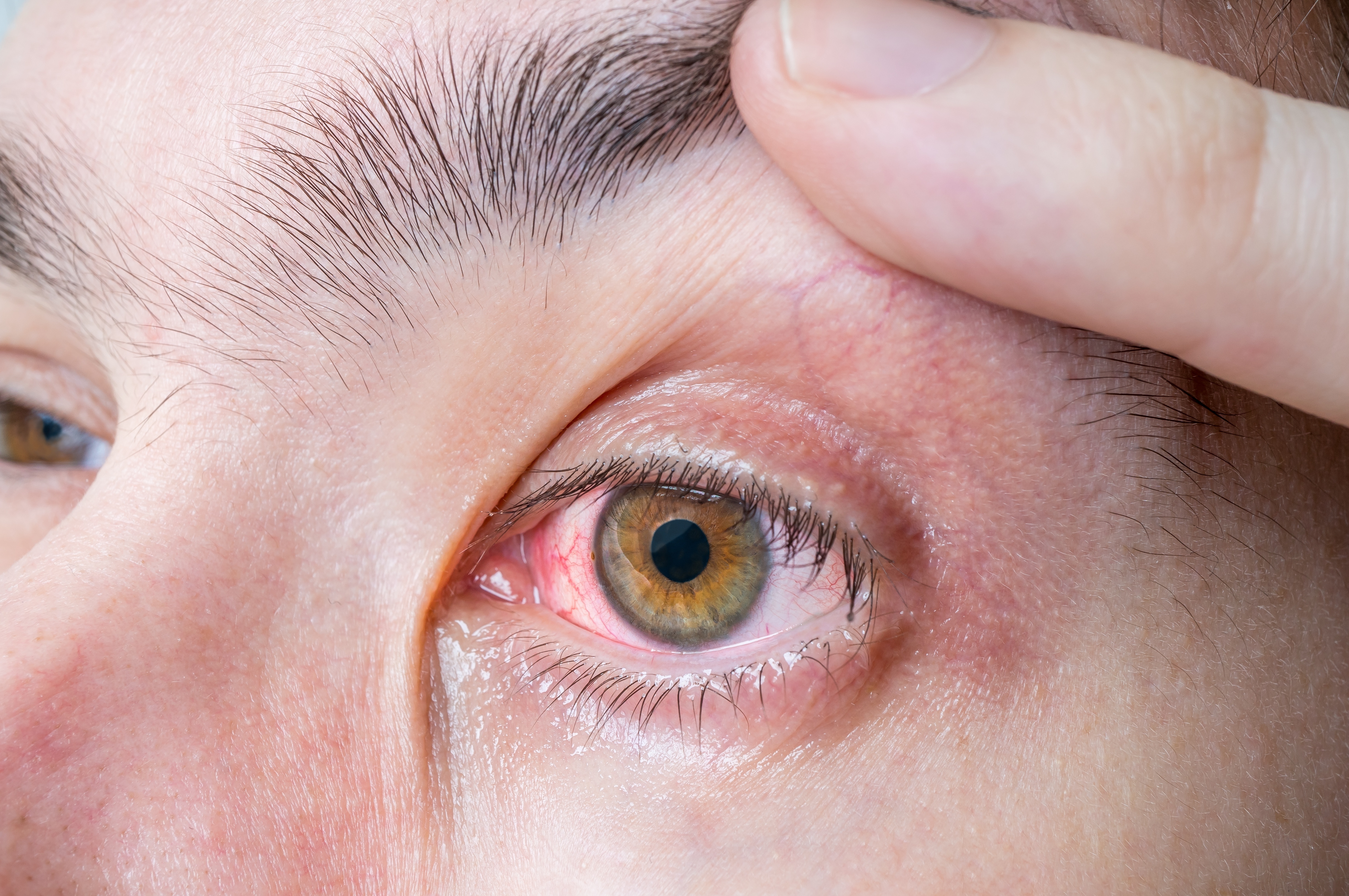
Dry eye syndrome is a common condition that develops when the eyes do not produce enough tears or when tears evaporate too quickly. Because healthy tears protect and lubricate the surface of the eyes, disruptions in the tear film can lead to ongoing irritation, fluctuating vision, and difficulty completing everyday activities. Understanding the cause of dry eye symptoms is an important first step toward finding effective treatment and lasting relief.
What Causes Dry Eye Syndrome?
Dry eye can have several causes. Aging may reduce natural tear production, while prolonged screen use can decrease how often a person blinks. Environmental conditions such as wind, smoke, dry indoor air, and air conditioning may also cause tears to evaporate more quickly.
Other contributing factors can include certain medications, hormonal changes, contact lens wear, eyelid inflammation, and health conditions that affect tear production. Meibomian gland dysfunction is another frequent cause. It occurs when glands along the eyelids do not release enough healthy oil to prevent tears from evaporating.
Common Symptoms of Dry Eye
Dry eye symptoms can vary in frequency and severity. Some people experience occasional discomfort, while others have persistent symptoms that interfere with reading, driving, computer work, or wearing contact lenses.
Signs that may indicate dry eye syndrome include:
• Burning, stinging, or scratchy eyes
• Redness or irritation
• Blurry or fluctuating vision
• Sensitivity to light
• Watery eyes
• Mucus around the eyes
• Eye fatigue
• Difficulty wearing contact lenses
Excessive watering may seem unrelated to dry eye, but irritation can trigger the eyes to produce reflex tears. These tears are often too watery to provide the balanced lubrication the eye needs.
The Important of a Dry Eye Evaluation
Dry eye treatment should be based on the underlying cause rather than symptoms alone. During an evaluation, our eye doctor can examine the tear film, eyelids, and oil-producing glands to identify factors contributing to discomfort.
A personalized diagnosis helps determine whether symptoms are related to reduced tear production, rapid tear evaporation, eyelid inflammation, blocked glands, or another eye condition.
Effective Dry Eye Treatment Options
Mild symptoms may improve with artificial tears, regular screen breaks, increased blinking, hydration, and the use of a humidifier. Wearing sunglasses outdoors can also help protect the eyes from wind and sun exposure.
Patients with persistent dry eye may need more targeted care. Treatment options can include prescription medications, eyelid care, specialty contact lenses, and punctal plugs that help tears remain on the eyes longer. Specialty contact lenses may also provide moisture and protection by creating a fluid reservoir over the cornea. For dry eye associated with blocked meibomian glands, in-office treatments may be recommended. The appropriate treatment depends on the cause, severity, and daily impact of each patient’s symptoms.
Schedule a dry eye evaluation with Bella Optical to learn more about personalized treatment options. Visit our office in Murfreesboro, TN, or call (615) 217-2500 to book an appointment today.
Helpful Articles

All Eye Care Services
Find personalized eye care excellence with our comprehensive services. From eye exams to advanced diagnostics, trust us for all your vision needs.

Keep In Touch
For non-urgent questions or to learn more about our services, contact us today!
Contact Information
Hours of Operation
- Monday 8:00am - 5:00pm
- Tuesday 8:00am - 5:00pm
- Wednesday 8:00am - 5:00pm
- Thursday 8:00am - 5:00pm
- Friday Closed
- Saturday Closed
- Sunday Closed
VISIT OUR OTHER LOCATIONS
The Local Optical - Tullahoma, TN
Drake Eye Care & Eyewear - Murfreesboro, TN
© 2026 Bella Optical. All rights Reserved - Accessibility Statement - Privacy Policy - Sitemap
Managed and Designed by 